by Amelia Loken | Sep 7, 2026 | Writing
A month without a laptop wasn’t part of my writing productivity plan. Like most writers, I rely on a carefully built routine. I believe in sustainable productivity, steady progress, and protecting creative energy from the burnout that comes with constant hustle....
by Amelia Loken | Sep 4, 2026 | Writing Craft
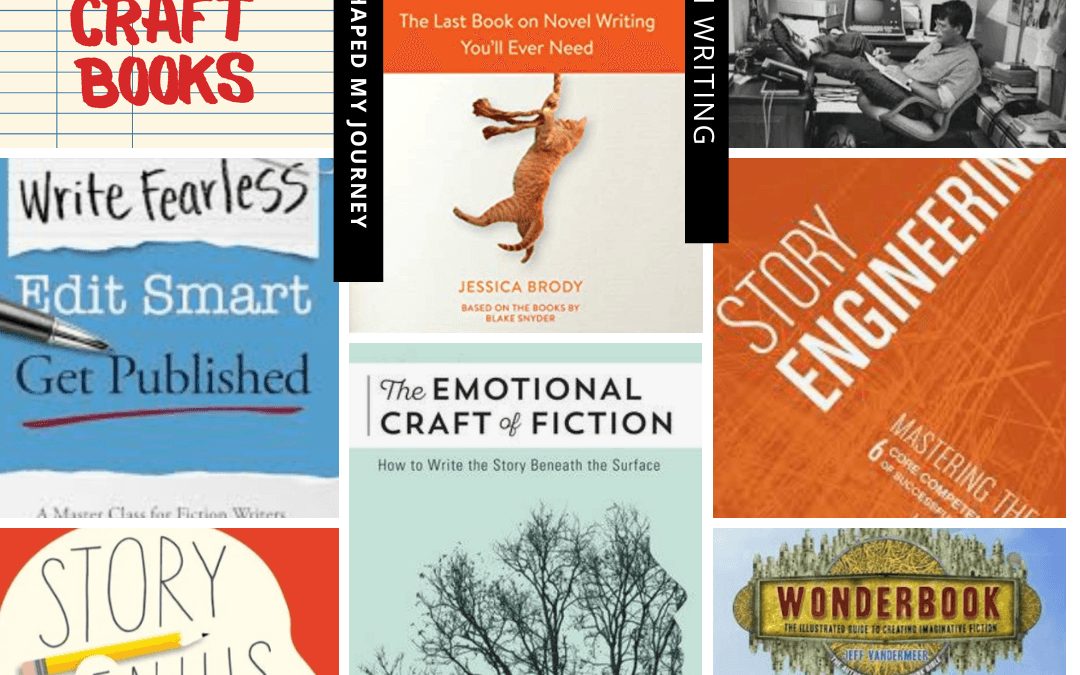
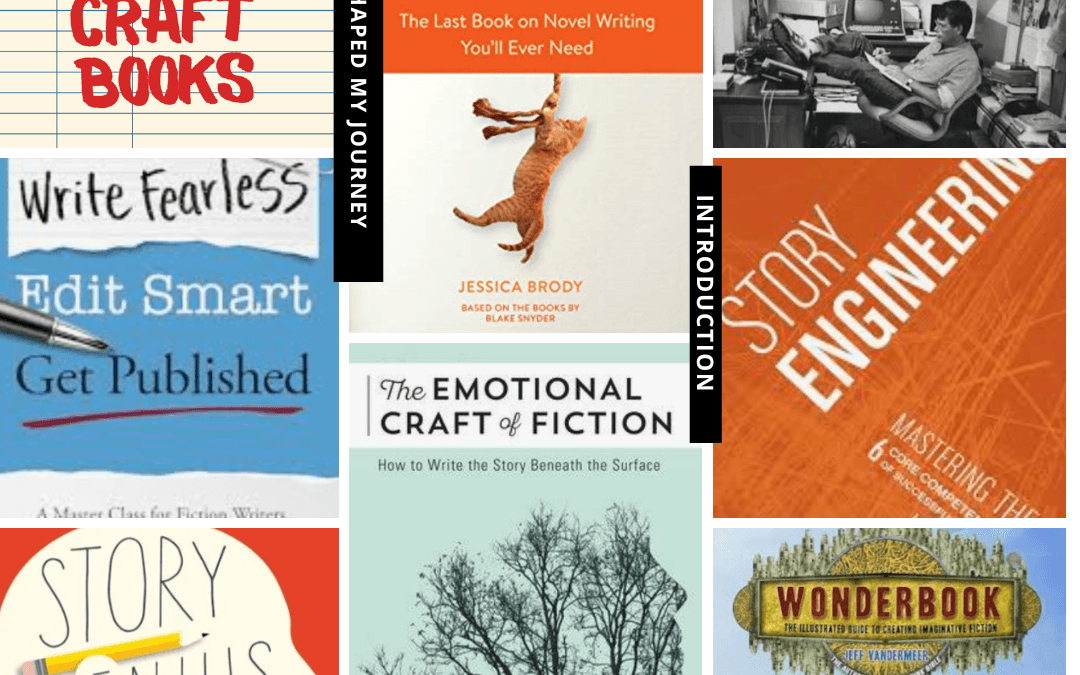
I read Stephen King’s On Writing early in my writing journey. At the time, I was voraciously searching for writing craft books that might help me understand how stories worked and how writers actually learned their craft. The funny thing is that I had never read...
by Amelia Loken | Aug 29, 2026 | Writing Conferences
Fifteen years ago, my writing conference preparation lived in the kitchen pantry and the hallway closet. I had five young boys at home, and while my husband is a competent, loving parent, a three-day stretch without Mom was a massive disruption to the household...
by Amelia Loken | Aug 29, 2026 | Writing Craft
Learning the Language of Story When I first read Save the Cat! by Blake Snyder, I was about a year or two into writing my first novel. Like many aspiring writers, I had spent most of my life consuming stories without fully understanding how they worked. I didn’t...
by Amelia Loken | Aug 21, 2026 | Writing Craft
Innocence or Ignorance? Early in my writing journey, nearly eighteen years ago, I didn’t have a road map. I had a story I loved, a stack of library books, and the kind of earnest determination that makes you believe you can figure out anything if you squint hard...