by Amelia Loken | Jul 26, 2026 | Writing Craft
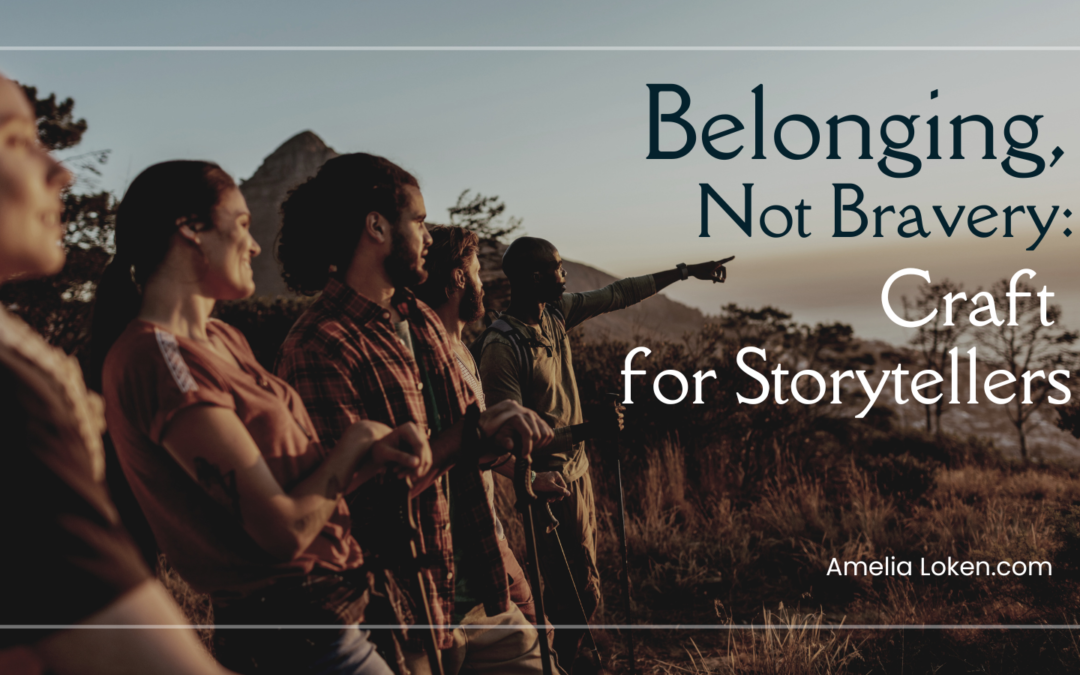
There’s a familiar pattern in stories about disabled characters — one we’ve all seen, whether in classic literature, modern YA, or blockbuster films. Think of Tiny Tim in A Christmas Carol, whose disability exists mostly to inspire generosity. Or Beth in Little Women,...
by Amelia Loken | Jul 18, 2026 | Disability Models
When you’re just starting out with photography, you don’t automatically know how a wide‑angle lens stretches space or how a telephoto lens pulls distant mountains close. You’re experimenting—pointing the camera, clicking the shutter, discovering what happens. And it’s...
by Amelia Loken | May 29, 2026 | Disability Models
After writing about the Charitable Disability Model and the Medical Disability Model, stepping into the Social Model feels like opening a window in a stuffy room. Suddenly, there’s space to breathe. Space to imagine. Space to belong. Where earlier models locate...
by Amelia Loken | May 25, 2026 | Writing
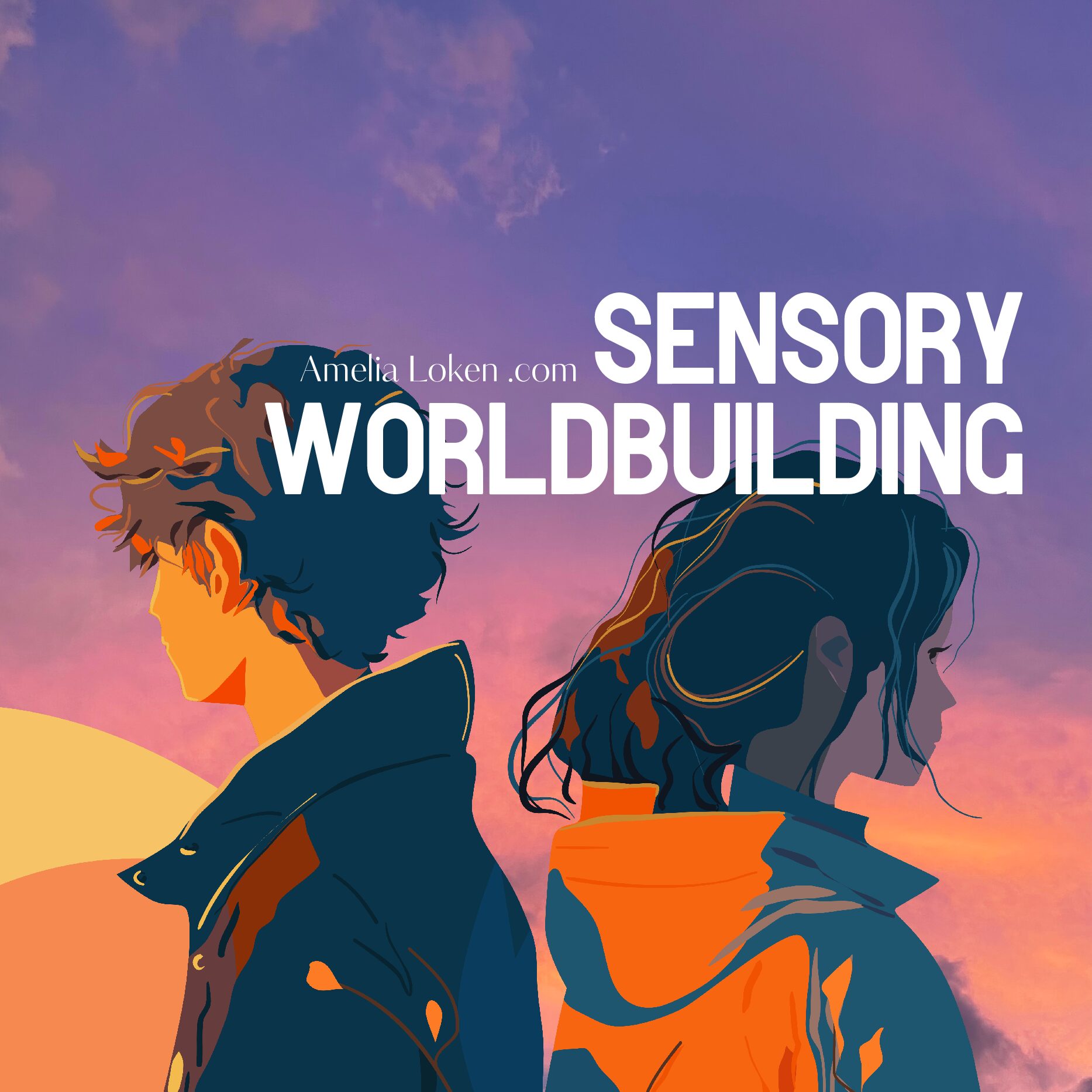
Sensory worldbuilding is the craft of designing a fictional world through the sensory realities of the characters who inhabit it — especially disabled characters whose bodies perceive, navigate, and interpret the world differently than the assumed norm. It’s not just...
by Amelia Loken | May 11, 2026 | Disability Models
When the Body Becomes the Problem The Medical Disability Model is the one most people know—even if they’ve never heard the term. It frames disability as a problem located in the body, something medicine should diagnose, treat, or cure. For centuries, this was...