
Blog
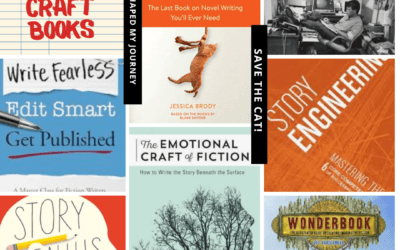
Writing Craft Books that Shaped My Journey: Save the Cat!
Learning the Language of Story When I first read Save the Cat! by Blake Snyder, I was about a year or two into writing my first novel. Like many aspiring writers, I had spent most of my life consuming stories without fully understanding how they worked. I didn't know...
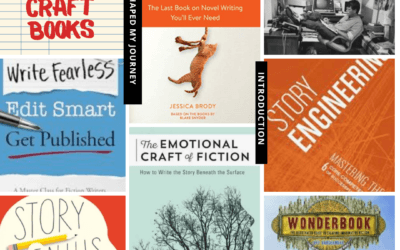
Writing Craft Books that Shaped my Journey
Innocence or Ignorance? Early in my writing journey, nearly eighteen years ago, I didn’t have a road map. I had a story I loved, a stack of library books, and the kind of earnest determination that makes you believe you can figure out anything if you squint hard...
Belonging, Not Bravery: Craft for Storytellers
There’s a familiar pattern in stories about disabled characters — one we’ve all seen, whether in classic literature, modern YA, or blockbuster films. Think of Tiny Tim in A Christmas Carol, whose disability exists mostly to inspire generosity. Or Beth in Little Women,...

Five Disability Models: A Writer’s Wrap‑Up
When you’re just starting out with photography, you don’t automatically know how a wide‑angle lens stretches space or how a telephoto lens pulls distant mountains close. You’re experimenting—pointing the camera, clicking the shutter, discovering what happens. And it’s...

6 Tiny Tools for Overwhelmed Writers
Some weeks, writing feels like trying to light a match in a windstorm. Even if you get a spark, it’s extinguished before you can feel its warmth or transfer it to the waiting kindling. It can feel like an exercise in futility. Why even bother? But what happens, then?...
Hope as a Writing Practice: Crafting Futures Through Story
Hope is a discipline — a writing practice — a way of returning to the page even when the path ahead is foggy. For many writers, hope in writing becomes a form of creative resilience: a steadying force that keeps us imagining, shaping, and crafting stories even when...

Explore the Rights-Based Model of Disability
The Rights‑Based Disability Model starts with a bold truth: disabled people have inherent human rights, and any barrier that denies those rights is discrimination. This model reframes disability not as tragedy, charity, or medical defect, but as a matter of justice,...
How Disability Shapes Conflict: A Craft Guide
Conflict is the engine of story — but not in the way most writing advice frames it. If you want deeper, more layered conflict in your fiction, disability offers one of the richest craft lenses available. Disability and conflict are deeply connected, not because...
Slow Productivity for Writers: Sustainable, Disability-Informed Creativity
Slow Productivity offers disabled writers a sustainable, disability‑justice–aligned way to build a writing life that actually lasts. In his book, titled Slow Productivity, Cal Newport writes: “Do fewer things. Work at a natural pace. Obsess over quality.” That line...

Exploring the Social Model of Disability
After writing about the Charitable Disability Model and the Medical Disability Model, stepping into the Social Model feels like opening a window in a stuffy room. Suddenly, there’s space to breathe. Space to imagine. Space to belong. Where earlier models locate...