by Amelia Loken | Aug 21, 2026 | Writing Craft
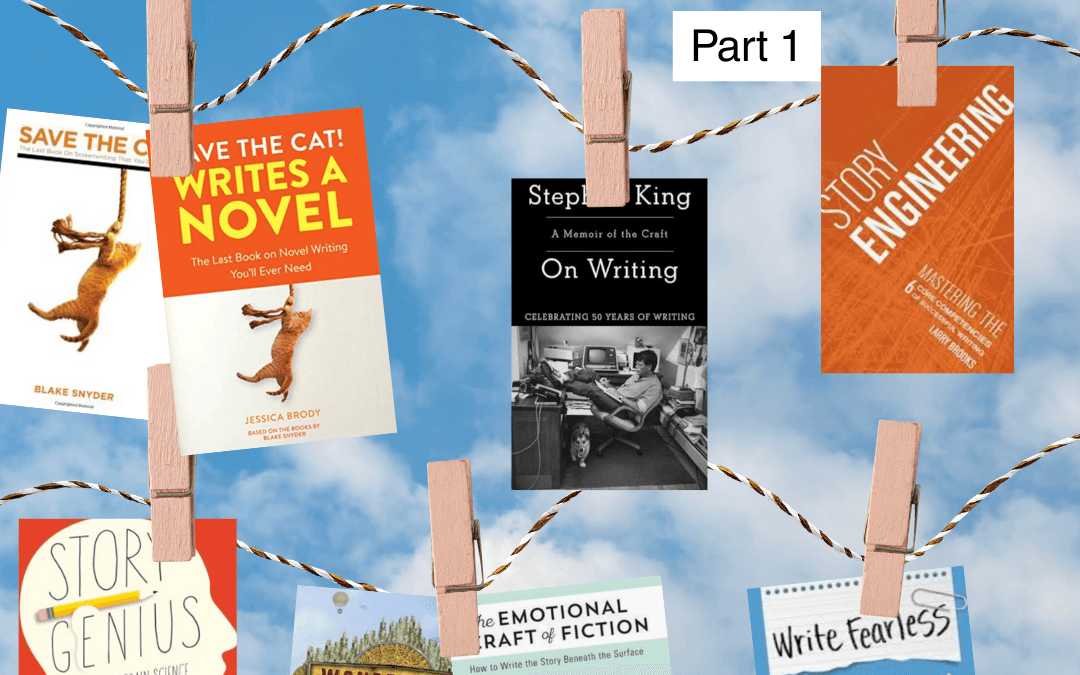
Innocence or Ignorance? Early in my writing journey, nearly eighteen years ago, I didn’t have a road map. I had a story I loved, a stack of library books, and the kind of earnest determination that makes you believe you can figure out anything if you squint hard...
by Amelia Loken | Jul 26, 2026 | Writing Craft
There’s a familiar pattern in stories about disabled characters — one we’ve all seen, whether in classic literature, modern YA, or blockbuster films. Think of Tiny Tim in A Christmas Carol, whose disability exists mostly to inspire generosity. Or Beth in Little Women,...
by Amelia Loken | Jul 18, 2026 | Disability Models
When you’re just starting out with photography, you don’t automatically know how a wide‑angle lens stretches space or how a telephoto lens pulls distant mountains close. You’re experimenting—pointing the camera, clicking the shutter, discovering what happens. And it’s...
by Amelia Loken | Jul 10, 2026 | Writing
Some weeks, writing feels like trying to light a match in a windstorm. Even if you get a spark, it’s extinguished before you can feel its warmth or transfer it to the waiting kindling. It can feel like an exercise in futility. Why even bother? But what happens, then?...
by Amelia Loken | Jun 6, 2026 | Writing
Slow Productivity offers disabled writers a sustainable, disability‑justice–aligned way to build a writing life that actually lasts. In his book, titled Slow Productivity, Cal Newport writes: “Do fewer things. Work at a natural pace. Obsess over quality.” That line...